
“The thought of adding an agent to PRs to do code reviews, a potential slop cannon, was extremely contentious. We took the leap and we're so glad we did.”

Engineering Manager, Platform Engineering, Mixpanel
Austin Pray
Q&A
In August 2025 maybe 20% of developers were using Claude Code in their devbox on a daily basis. Now 100% are collaborating with Claude as a buddy in their devbox.
In the past month upwards of 95% of merged PRs have some detectable coding agent attribution, and 10% of the merged PRs are fully generated by TAL (our in house coding agent) end-to-end.
We are shifting our focus away from optimizing individual engineers talking to coding agents in devboxes and more towards a centralized approach of making delegating to TAL more effective and efficient for everyone.
Latency. Once you finally got human eyes on a PR, oftentimes it wasn't even ready for review to begin with. Now we're skipping a couple of steps. Greptile is fast and cost efficient, so you can iterate very quickly responding to its feedback.
The point at which a human gets their eyes on a PR: the PR has clearly been thought through, a lot of edge cases are shaken out, we can go directly into the meat of it and engage with the why behind the PR instead of wasting time hunting for flaws.
We had a shootout: try a bunch of providers, try to do it ourselves, all that kind of stuff.
I'd encourage anyone who doesn't have a coding agent running reviews on PRs to try building it yourself real quick. Depending on your PR volume and codebase it might actually be good enough.
In the end, we were unhappy with the high cost and the verbosity of our internal shot at building a code review agent. A lot of the reviews from our homebrew review agent embodied the worst reviews you might get from a human: a consistent body of nitpicks striped with actual showstopper issues you really must fix before merging.
Even if we could get it to stop bothering us with nitpicks, it would still be too expensive to run on every single push.
Which led us to think about what a good code review looks like. Some of the best reviews are a staff or principal engineer coming into your PR and giving you context from across the codebase: “you shouldn't do this, because of a thing you were never aware existed.”
Greptile threaded that needle. It's very cost effective, way better than what we can build, and it was giving that codebase-wide review experience.
Mixpanel is a giant distributed columnar database with a webapp on top. Once you get lower down the stack, it gets very stateful, irreversible data corruption becomes a concern, and the stakes get really high.
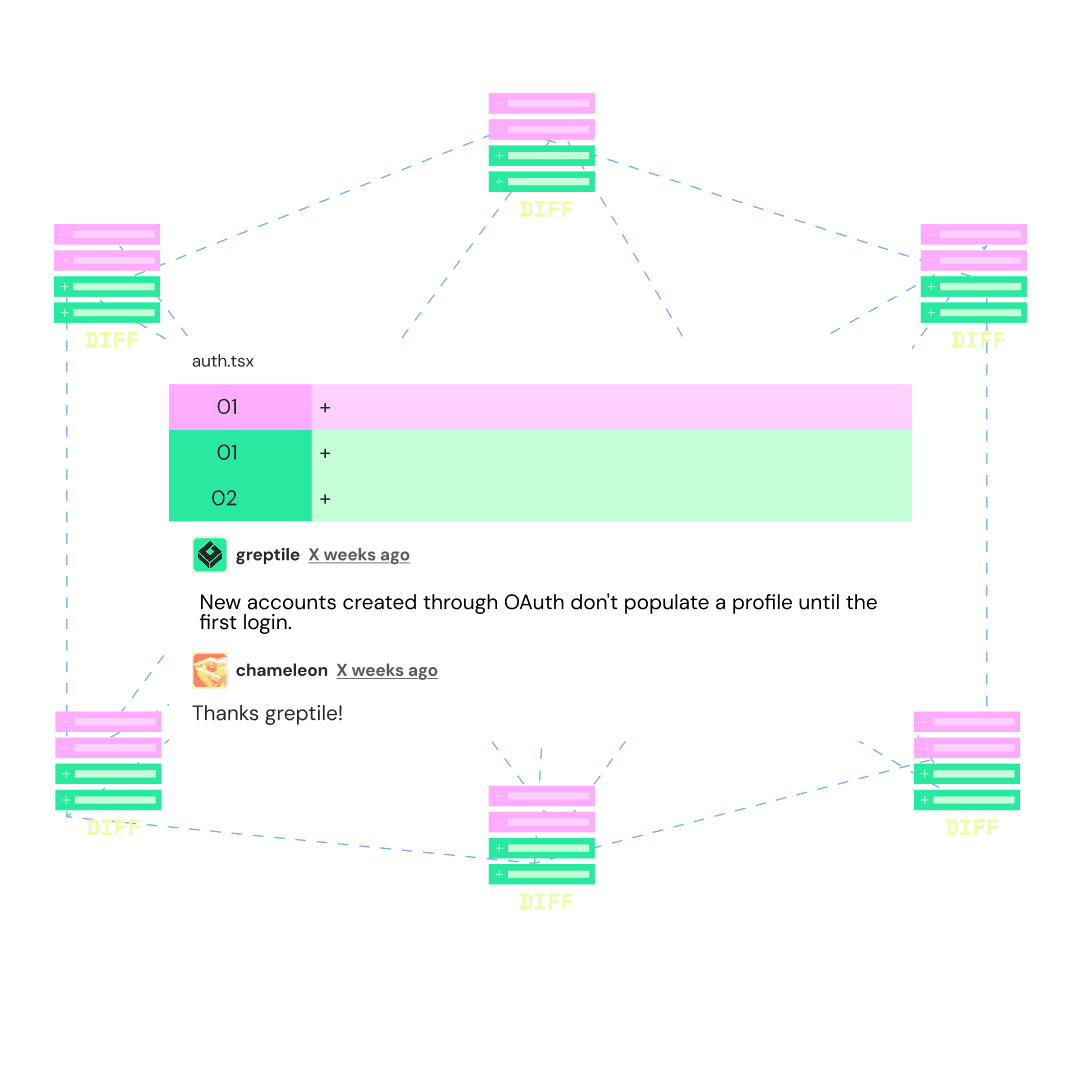
There was a PR from our infra team, and the PR description asserted that the change was a standalone change with no blast radius to other services. Greptile teased out that that wasn’t true, that this was transitively changing the behavior of some downstream service.
I was able to determine that despite the clues being nowhere in the diff at all. That's one of those "a staff engineer comes into your PR and just knows something you couldn't have possibly known" moments.
We got a lot of anecdotes like this during the POC which led to developers really appreciating having Greptile reviews available.
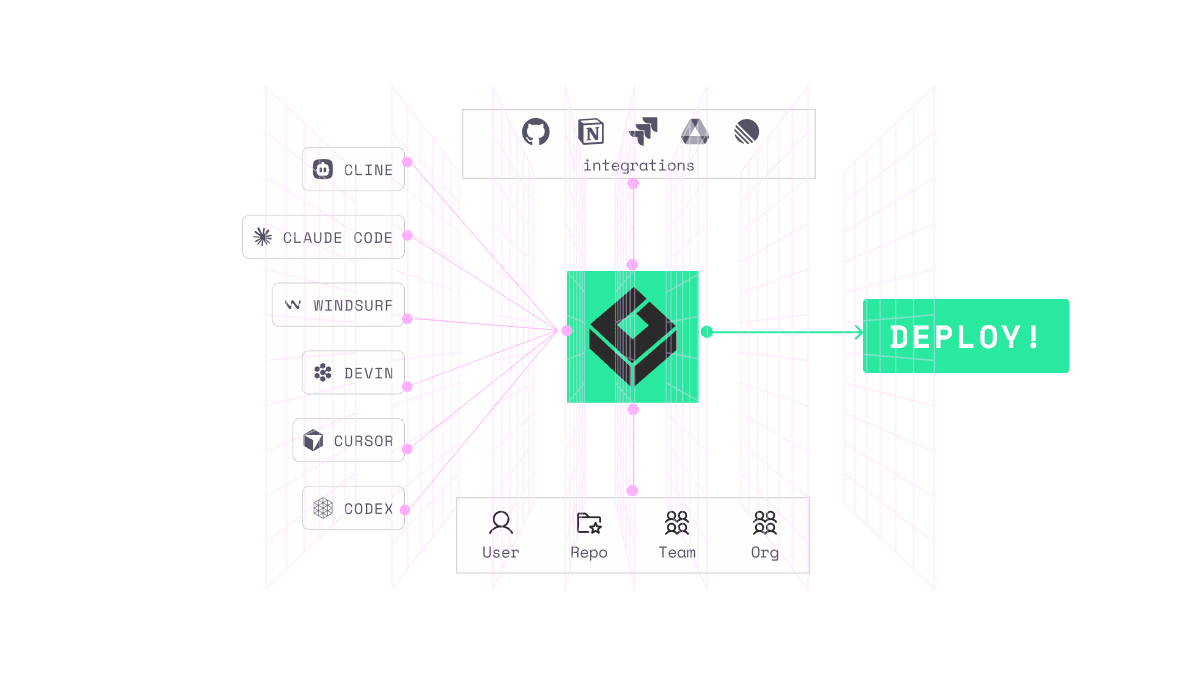
It started as: we think we need agentic code reviews because they're nice to have, we like using code review skills when driving our own personal agents. Now it's part of our larger agentic system, TAL, that's churning out PRs automatically.
We can make the cost per task of TAL lower because we can outsource the code review step. Having the adversarial review, or the different context Greptile has, is probably better than what we could cook up inside that coding agent anyway.
Directly integrating review into our coding agent isn't worthwhile, since Greptile is literally wall-clock-time faster and more optimized cost-wise.
I totally recommend people give it a shot. We all love it here.
When we were doing the POC, the trial lapsed, and everyone came out of the woodwork: “can you turn this thing back on?” “Can we get it back?” That was when I thought, “okay. I can't really imagine our workflow without something like Greptile.”
Mixpanel moved the review step off its coding agents
95% of Mixpanel's PRs are mostly written by Claude Code. Greptile reviews them.
95% of Mixpanel's PRs are mostly written by Claude Code. 10% are opened by TAL, an internal agent that picks up incoming ops issues and bugs.
Every developer had already built a version of the review step for themselves, running a slash command over their own diff before submitting. Reviewers checked the branch out and ran it again. Mixpanel ran a shootout across providers and built a reviewer in-house alongside it. The internal one was verbose and expensive.
Greptile reviews ~2,900 PRs a month and posts ~2,400 P0–P2 findings inline. It runs on TAL's output too. That costs less than putting a review step inside TAL and returns faster in wall-clock time.
Mixpanel is a distributed columnar database with a web app on top, and it gets more stateful the further down the stack a change lands. Greptile reads the contracts a diff doesn't touch. Humans still review the PRs that need a human.
Learn more about Greptile

Greptile consistently catches more bugs in large repos